

Shop by Concern
Sun Protection and Sunscreen
Make daily sun protection easy with sunscreens you will actually want to wear. This collection includes tinted and sheer mineral formulas plus supportive sun care, each chosen to help protect your skin from UV exposure every day, whether you are commuting, working indoors or outdoors.

Our standardSelected by board-certified dermatologist Dr. Cherise Levi
What is sun damage?
Sun protection means shielding skin from UVA and UVB rays with daily broad-spectrum sunscreen, shade and protective clothing. It is a key everyday step for keeping skin looking even and fresh at any age.
Must-haves for sun protection
The Essentials
The core of a sun protection routine.
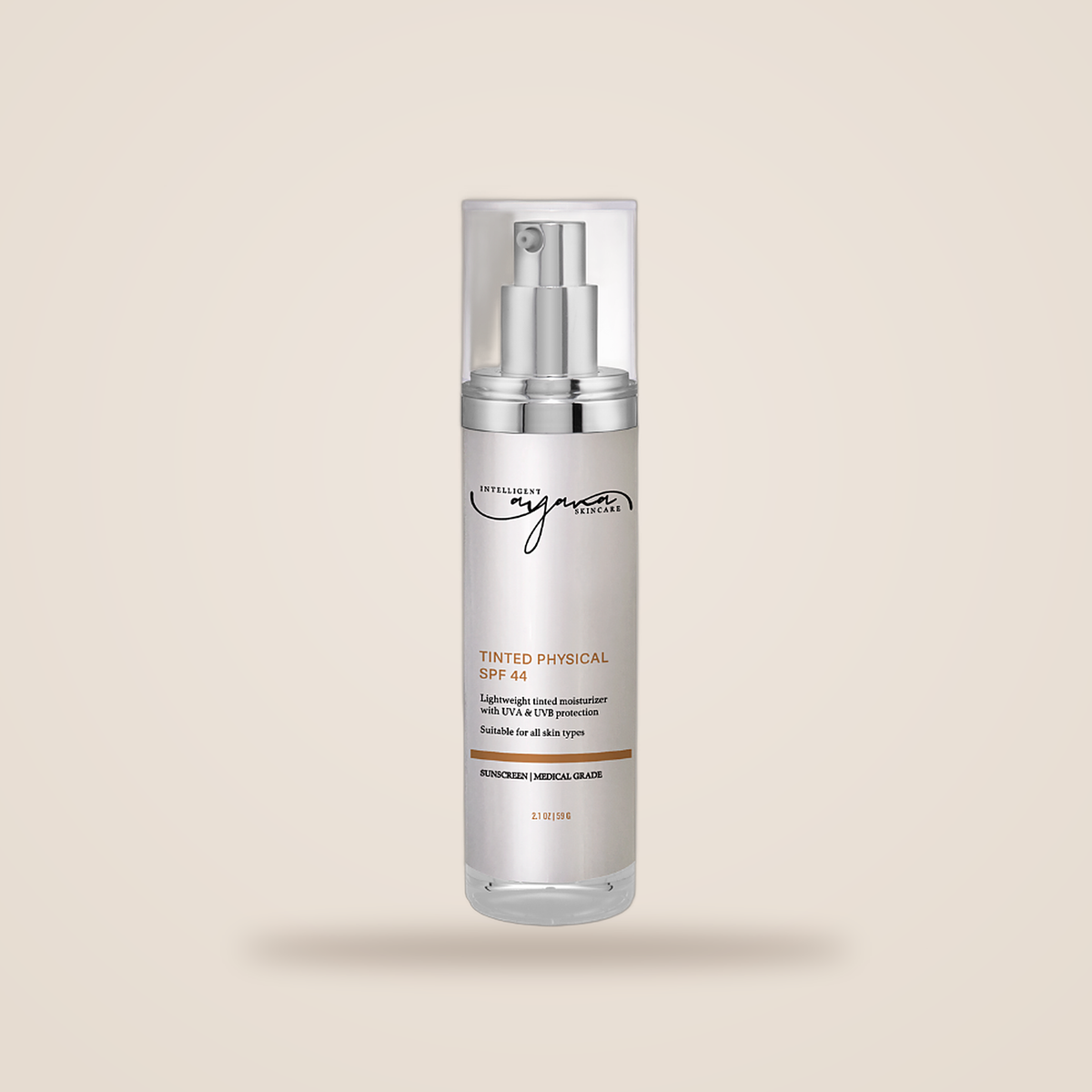
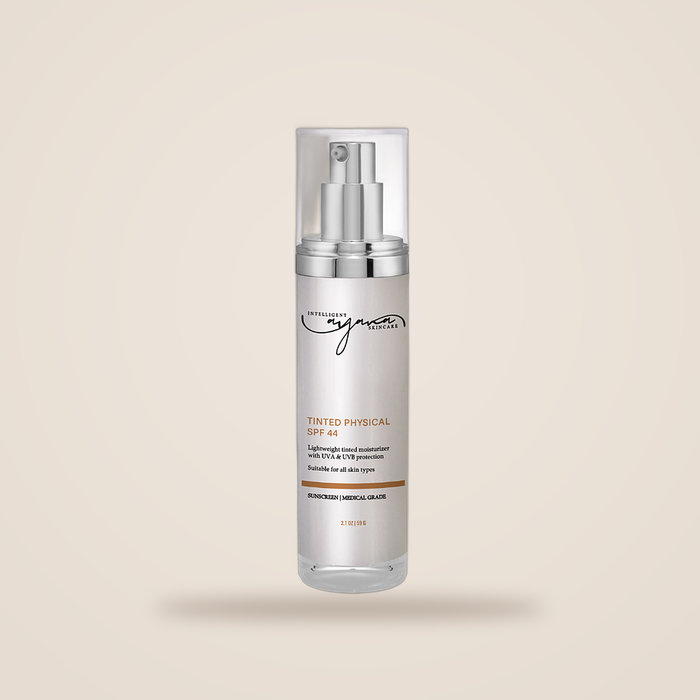
 Ayana Intelligent SkincareAyana Intelligent Skincare Tinted Physical SPF 44Added defense. Iron oxides provide added protection against infrared radiation and visible blue light.Shop now
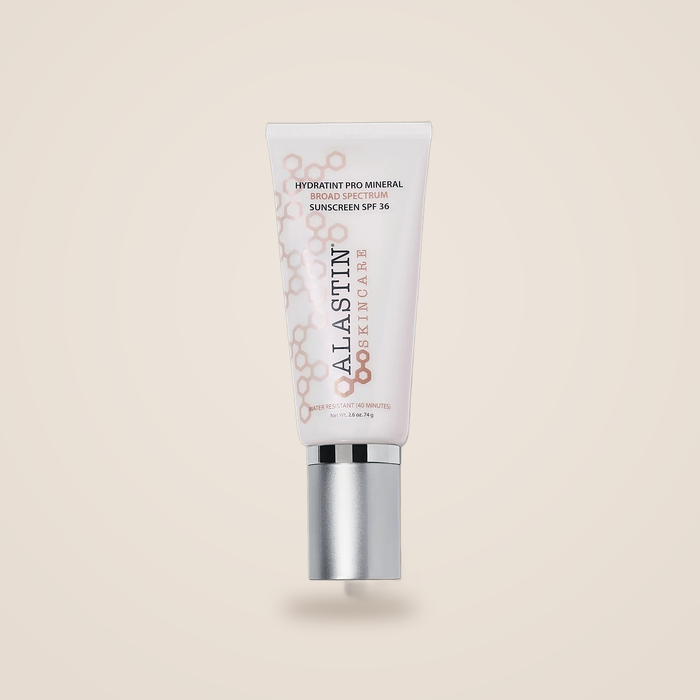
 Alastin SkincareAlastin HydraTint Pro Mineral Broad Spectrum Sunscreen SPF 36Broad-spectrum mineral protection. Provides broad-spectrum UV protection in a lightweight, all-mineral formulation.Shop now
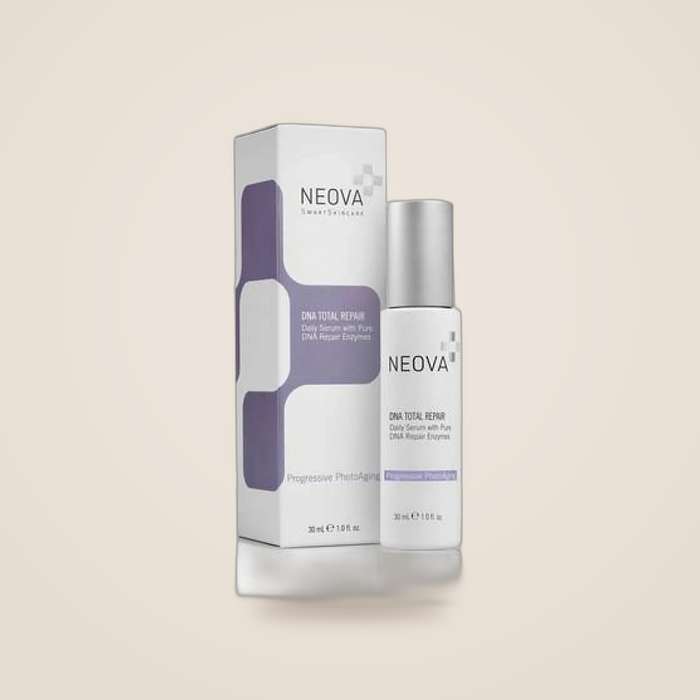
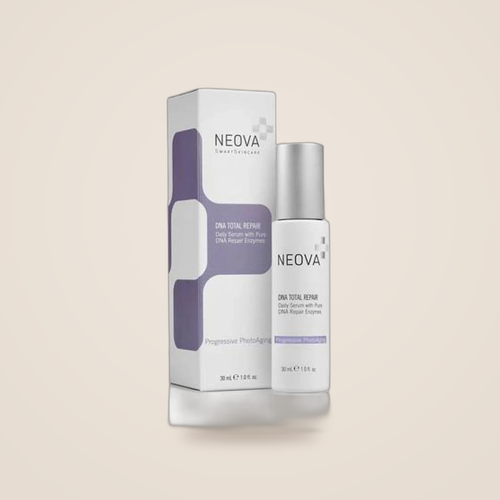 NeovaNeova DNA Total RepairWho it's for. All skin types, even the most sensitive, exhibiting at-rest wrinkling, pigment changes, discolorations, small but noticeable...Shop now
By brand
Shop all Sun Protection
Understanding Sun Protection
What it is
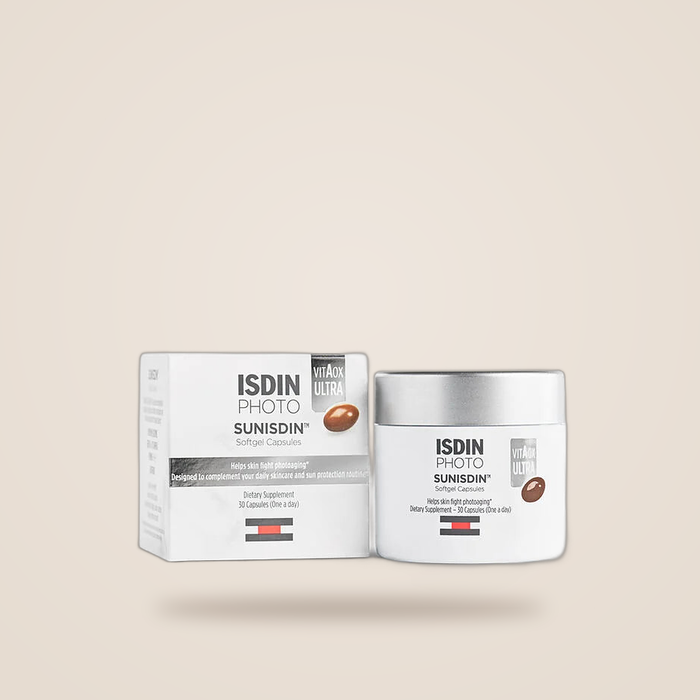
Ultraviolet (UV) radiation from the sun is one of the main contributors to sunburn and visible skin aging, including fine lines and dark spots. UVA rays reach skin year-round, even through clouds and windows, while UVB rays are the main cause of sunburn. That is why dermatologists recommend a broad-spectrum sunscreen of SPF 30 or higher every day. To build a sun-protection routine, apply sunscreen as the last step of your morning skincare, about 15 minutes before going outside. Use enough to cover the face, ears and neck, roughly a nickel-sized amount for the face, and reapply at least every two hours outdoors, or after swimming or sweating. Pair sunscreen with shade, hats and sunglasses. Antioxidant serums underneath can complement your SPF. Key ingredients to look for: zinc oxide and titanium dioxide, mineral filters that many sensitive skin types prefer; iron oxides in tinted formulas, which also help with visible light; broad-spectrum labeling; water resistance for active days; and antioxidants like vitamin C and E. Oral supplements can complement, but never replace, sunscreen. Always patch test new products and follow the directions on each label.
Build your routine
- 01Apply a broad-spectrum SPF 30 or higher as the last step every morning.
- 02Use enough to cover face, neck and ears.
- 03Reapply every two hours outdoors, and after swimming or sweating.
Welcome offer
10% off your first order
Join The Lab Letter for skincare notes, new arrivals and your welcome code.
Join The LabQuestions
Sun Protection: your questions
What SPF should I use every day?
A broad-spectrum sunscreen of SPF 30 or higher is generally recommended for daily use.
How often should I reapply?
At least every two hours outdoors, and after swimming or sweating.
What is the difference between mineral and chemical sunscreen?
Mineral sunscreens use zinc oxide or titanium dioxide; chemical sunscreens use organic UV filters. Both can be effective.
Do I need sunscreen indoors?
UVA rays can pass through windows, so daily use is a good habit.
Explore other concerns
Prefer a favourite brand? Shop by brand