
Shop by Concern
Skincare for Sensitive Skin
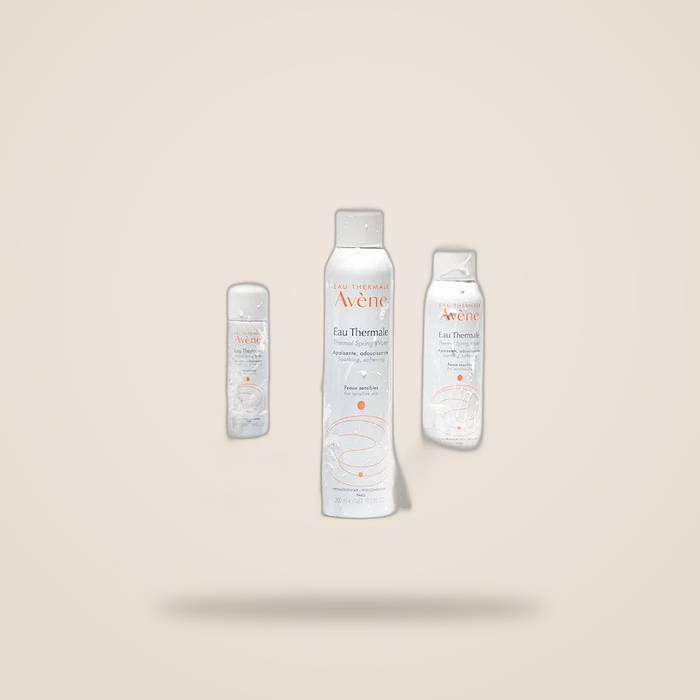
Calm, comfort and protect easily irritated skin with gentle essentials. This collection features soothing creams, mild cleansers, micellar water and thermal spring water, each chosen to help sensitive skin feel balanced and comfortable while supporting a healthy-looking skin barrier.

Our standardSelected by board-certified dermatologist Dr. Cherise Levi
What is sensitive skin?
This concern covers times when skin feels irritated, looks red or stings more than usual, often triggered by weather, new products or stress. Gentle, soothing steps help skin feel calmer and comfortable.
Must-haves for sensitive skin
The Essentials
The core of a sensitive skin routine.
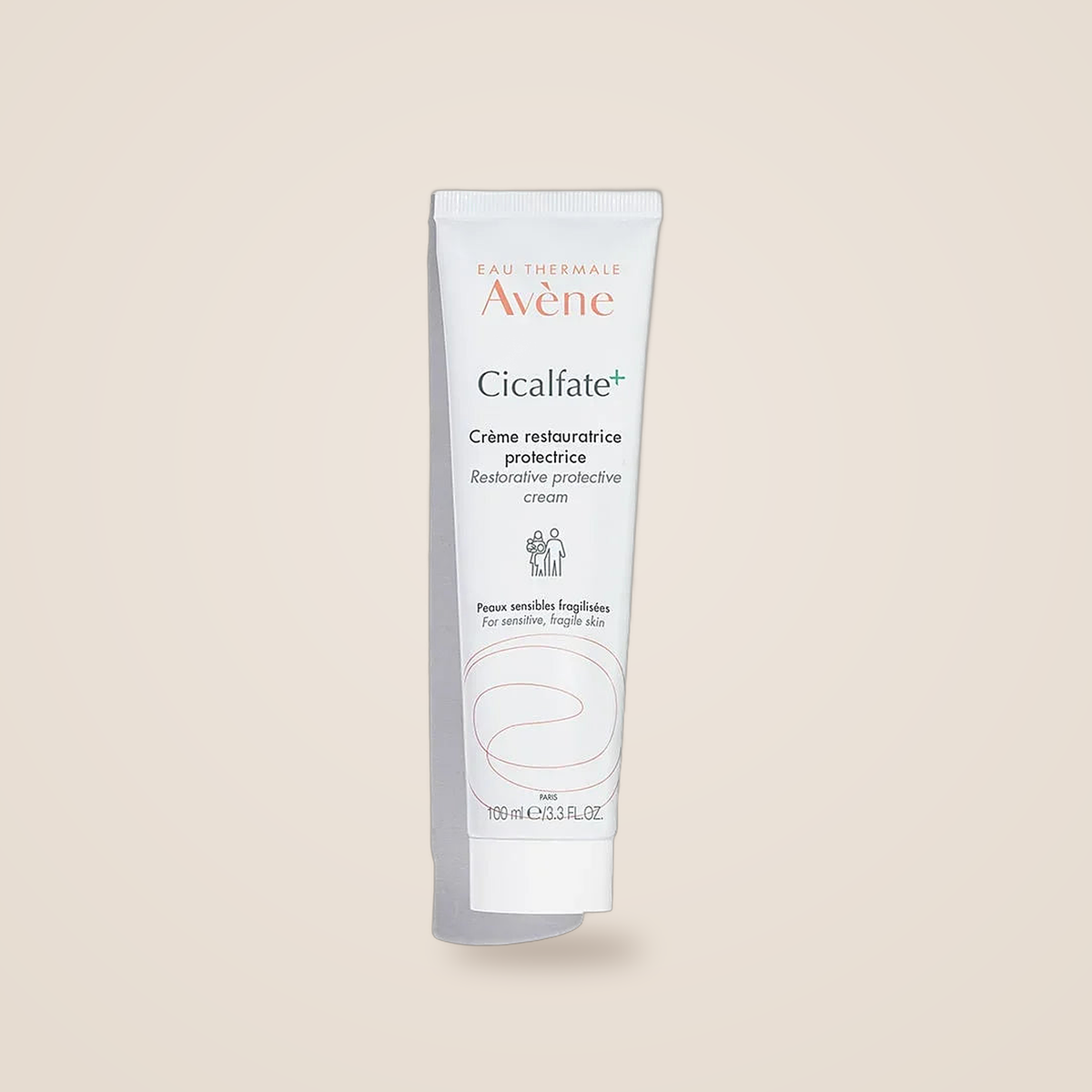
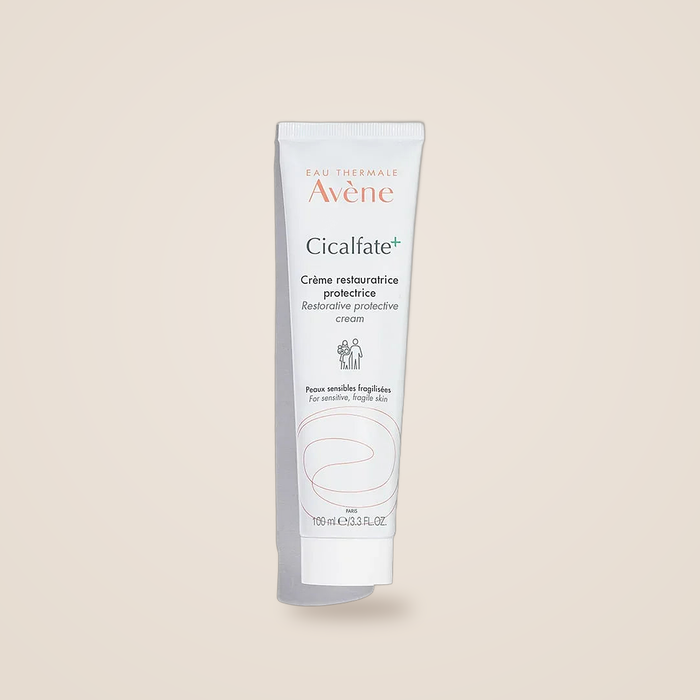
 AvèneAvene Cicalfate+ Restorative Protective CreamOptimal recovery. Helps restore and promote an optimal environment for skin recovery.Shop now
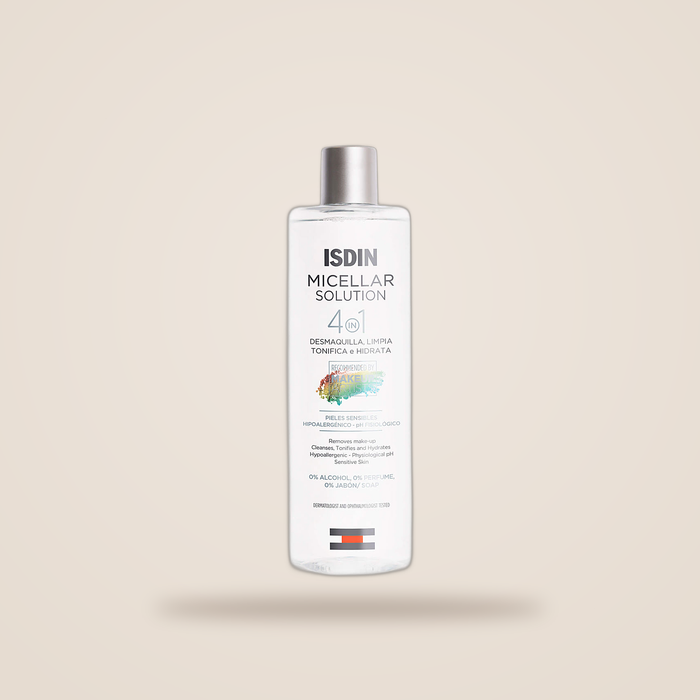
 ISDINISDIN Micellar solution4-in-1. Cleanses, removes makeup, tones and hydrates skin to prepare for your daily facial care routine.Shop now
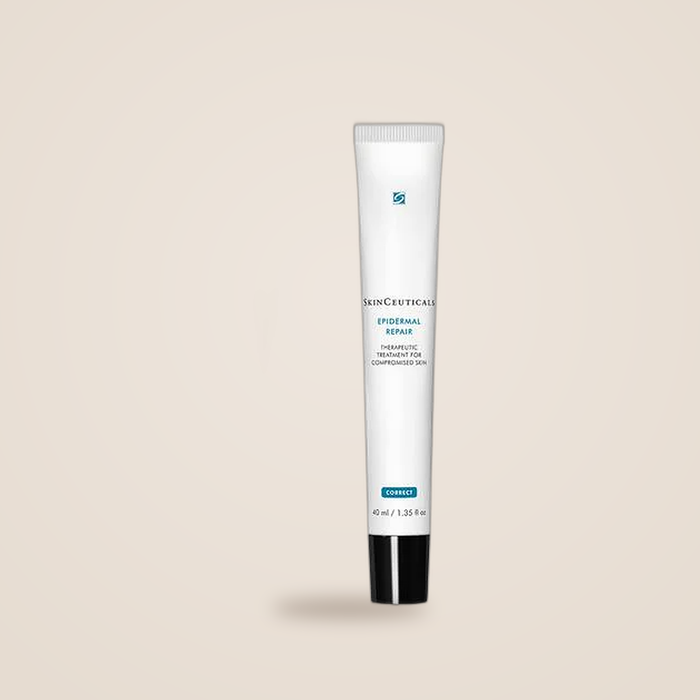
 SkinCeuticalsSkinCeuticals Epidermal Repair: Restore, Soothe, ProtectAccelerates Skin Barrier Restoration. Promotes the natural healing process, helping your skin recover faster and more effectively.Shop now
By brand
Shop all Sensitive Skin
Understanding Sensitive Skin
What it is
Sensitive skin reacts more easily than average, often with stinging, tightness, redness or discomfort after using certain products or after exposure to wind, heat or cold. It is usually linked to a weakened skin barrier, which lets irritants in and moisture out. If you have persistent redness, swelling or rashes, see a dermatologist to rule out an underlying condition. The best sensitive-skin routine is short and consistent. Cleanse with a mild, non-foaming cleanser or micellar water, apply a soothing moisturizer and finish each morning with a mineral sunscreen, which many sensitive skin types find more comfortable. Introduce one new product at a time, patch testing on a small area for several days first. Limit strong actives like high-strength acids and retinoids, or introduce them slowly with your dermatologist's guidance. Avoid hot water and rough scrubs. Key ingredients to look for: ceramides and other barrier lipids; glycerin and hyaluronic acid; soothing ingredients like panthenol, niacinamide and thermal spring water; zinc oxide in mineral sunscreens; and fragrance-free formulas. Always patch test new products and follow the directions on each label.
Build your routine
- 01Cleanse with a soothing, fragrance-free cleanser.
- 02Calm with a gentle serum or thermal water.
- 03Moisturize, protect with a mineral SPF, and introduce new products one at a time.
Welcome offer
10% off your first order
Join The Lab Letter for skincare notes, new arrivals and your welcome code.
Join The LabQuestions
Sensitive Skin: your questions
How do I know if my skin is sensitive?
If products or weather often cause stinging, tightness or redness, your skin may be sensitive. A dermatologist can help confirm.
What sunscreen is best for sensitive skin?
Many people with sensitive skin prefer mineral sunscreens with zinc oxide.
How should I introduce new products?
Patch test a small area for several days and add only one new product at a time.
Can I use active ingredients?
Introduce them slowly and at lower frequency, ideally with your dermatologist's guidance.
Explore other concerns
Prefer a favourite brand? Shop by brand